


Buying a house in Maryland follows the same basic steps as anywhere: get pre-approved, find an agent, tour, make an offer, inspect and settle. What’s different is the money around it, from transfer and recordation taxes and first-time buyer breaks to county programs and a homestead credit you have to apply for. Here’s the full process, with the Maryland details that matter.
What homes cost in Maryland’s DC suburbs right now
Prices vary a lot by county. As of October 2026, the median sale price was about $613,000 in Montgomery County, roughly flat from a year earlier, and about $443,000 in Prince George’s County, down 2.1%, according to Redfin. Homes in both counties are taking longer to sell than a couple of years ago, which gives buyers more room to negotiate on price, repairs and closing costs.
Rates matter as much as price. Mortgage rates were around 7% in early November 2026, according to Freddie Mac, so run your monthly payment through our mortgage calculator before you settle on a budget.
Step 1: Set your budget and get pre-approved
Start with a monthly payment you’re comfortable with, including property taxes, insurance and any HOA or condo fee, not just the loan. Then get a full pre-approval from a lender who knows Maryland’s programs. Sellers expect it with your offer, and it tells you exactly what you can borrow. Our guide to mortgage pre-approval walks through the documents you’ll need.
Step 2: Look at Maryland’s buyer programs
The Maryland Mortgage Program (MMP) is the state’s main help for buyers, and you use it through an approved lender. Its 1st Time Advantage loans come with down payment help of $6,000 or 3%, 4% or 5% of the price, and the 5% option is a 0% deferred loan. Repeat buyers can look at MMP’s Flex loans. In 2026 the state added MMP-UPLIFT and a program with a lower rate for first responders and teachers.
If you have student loans, SmartBuy can pay off student debt of up to 15% of the price, to a maximum of $25,000, for buyers with a credit score of 720 or higher.
Counties add their own help. Montgomery County’s HOC Mortgage Purchase Program offers first-time buyers help of 3% of the price or up to $25,000. In July 2026, Prince George’s County announced Pathway to Purchase (up to $50,000), a new Homeownership Equity Program (up to $30,000) and new help for teachers, nurses and first responders (up to $50,000). Ask your lender whether funds remain.
Some older programs, including MMP HomeAbility and Montgomery’s Homeownership Program, have closed, so don’t rely on an old list. Our first-time homebuyer page keeps the options in one place.
Step 3: Choose an agent and sign a buyer agreement
Since August 2024, you sign a written agreement with your agent before touring homes. It spells out how your agent is paid and makes clear the fee is negotiable. In most Maryland sales the seller still offers to cover the buyer’s agent’s fee, and your agent can ask for it in your offer.
Pick a licensed REALTOR® who knows the counties you’re considering. Montgomery, Prince George’s, Anne Arundel and Howard each have their own tax rates, programs and school systems, and the differences add up.
Step 4: Choose where to live
Maryland gives you a lot of range within reach of DC. Montgomery County has close-in suburbs like Bethesda, Silver Spring and Rockville on the Red Line. Prince George’s County offers more space for the money, with Bowie, Hyattsville and College Park among buyer favorites. Anne Arundel County puts you near the water and Annapolis.
Check school boundaries for the exact address, drive the commute at the hours you’d actually travel, and look at the Purple Line if you’re near its route. The light rail line between Bethesda and New Carrollton is 92% complete, and its contract completion date is the end of 2027, though officials say that date could move.
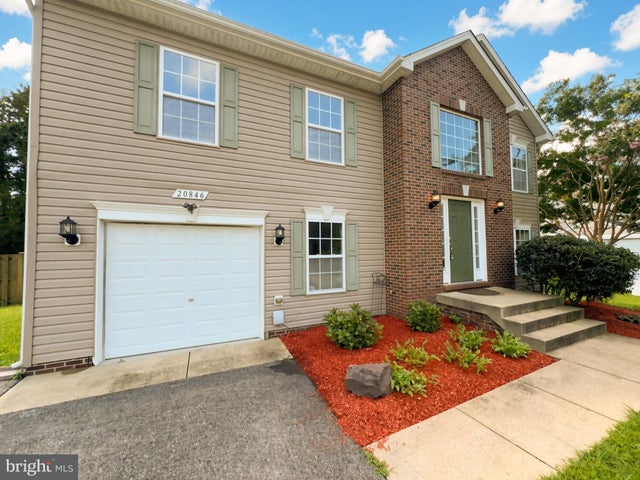
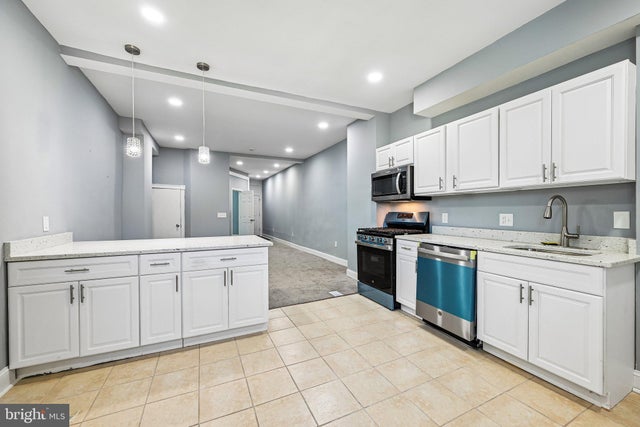
Homes for sale in Maryland right now
See all Maryland homes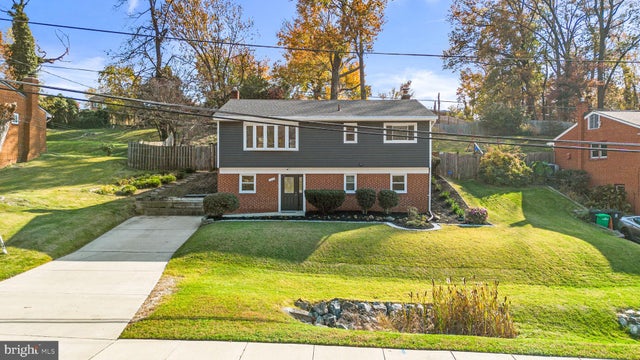





Step 5: Make an offer
Your agent will help you set a price from recent sales and write the offer on the standard contract forms used here. The key pieces are the price, your earnest money deposit, your loan type, the settlement date and your contingencies for financing, appraisal and home inspection. With more homes for sale this year, it’s reasonable to ask for help with closing costs or repairs.
Maryland sellers must give you either a property disclosure statement or a disclaimer statement. Even with a disclaimer, sellers must tell you about hidden defects they know of, but don’t treat either form as a substitute for an inspection.
Step 6: Inspect the home
A home inspection isn’t required in Maryland, but skipping one is rarely worth it. Add a radon test, a wood-destroying insect inspection and, for older homes, a sewer line camera inspection. Homes on a well or septic system, common in the more rural parts of the state, need their own tests. If something big turns up, your agent can negotiate a repair, a credit or a lower price.
Step 7: Understand Maryland closing costs
Maryland closing costs surprise a lot of buyers because of transfer and recordation taxes. The state transfer tax is 0.5%, and counties add their own transfer and recordation taxes. If the contract doesn’t say who pays, these taxes are split equally between buyer and seller.
- First-time Maryland buyers who will live in the home pay a reduced state transfer tax of 0.25%, and the seller pays it.
- Montgomery County: a 1% transfer tax and a recordation tax that starts at 0.89% on the first $500,000 and rises in tiers to 2.27% above $1 million. Owner-occupants are exempt from recordation tax on the first $100,000.
- Prince George’s County: a 1.4% transfer tax and a 0.55% recordation tax.
Add title insurance, settlement fees, lender fees and prepaid taxes and insurance. Our closing cost calculator gives you an estimate before you write an offer.
Step 8: Settle, move in and apply for the homestead credit
Maryland doesn’t require an attorney at settlement; title and settlement companies handle most closings. A financed purchase typically takes 30 to 45 days from contract to closing, and cash purchases can close in one to two weeks. Nationally, the average purchase loan closed in 36.8 days in March 2026, according to ICE.
After you move in, apply for Maryland’s Homestead Tax Credit if it isn’t already in place for your home. It limits how much the taxable assessment on your primary residence can rise each year. For 2026 to 2027 the cap is 10% for the state and Montgomery County, 3% in Prince George’s County and 4% in Baltimore City, according to the state assessments office. It’s one of the easiest ways to keep your tax bill predictable.
Buying in Maryland is very doable with the right people around you. Our local agents can walk you through programs, taxes and neighborhoods county by county. Start with a free consultation, or browse homes for sale in Maryland.


