


Moving to Washington DC really means choosing among three places: the District itself, the Maryland suburbs and Northern Virginia. Each has its own taxes, schools and commute, and most people who love living here picked their side of the river first and their neighborhood second.
We help people move here every week, and this is the same advice we give them on the first call. It covers how to choose where to live, what the market feels like right now, the neighborhoods to see first and how locals deal with traffic.
DC, Maryland or Virginia: make this call first
Start with your job. The Potomac and Anacostia rivers have only so many bridges, and crossing them at rush hour is what turns a 20-minute trip into an hour. If you work in Tysons or Reston, a Maryland suburb will feel far away. If you work at NIH in Bethesda, the same is true of Northern Virginia.
Then compare the things that change your monthly budget:
- Taxes. DC has its own income tax. Maryland adds a county income tax on top of the state tax. Virginia localities charge a yearly personal property tax on cars. Property tax rates differ by county too.
- Schools. DC families use neighborhood boundaries plus a citywide lottery for many schools. Montgomery, Fairfax, Arlington and Loudoun counties run large school systems where the address decides the school, so check the boundary for each home you like.
- Closing costs. Transfer and recordation taxes differ a lot. In DC, each one is 1.1 percent on homes under $400,000 and 1.45 percent at $400,000 or more (DC Code), and by custom the buyer pays recordation. Maryland’s costs depend on the county, and Virginia’s buyer share is lower. Our closing cost calculator shows the numbers for a specific price and place.
How the market feels right now
The DC area has had a strange couple of years. Job cuts, many of them federal, hit this region harder than any other: the metro lost 103,900 jobs between January 2025 and January 2026, the biggest drop of any US metro (Bureau of Labor Statistics).
Housing didn’t crash, though. A May 2026 report from the Richmond Fed found that listings rose nearly 50 percent from March 2024 to March 2026 and homes took longer to sell, while the median sale price still rose. Redfin’s October 2026 numbers fit that picture: the DC median sale price was about $699,000, up a few percent from a year earlier. For someone moving here, that’s good news. You’ll usually have more homes to choose from and more time to decide than buyers had a few years ago, though the best homes in popular neighborhoods still go quickly.
Rates are the other half of the picture. The average 30-year mortgage rate was around 7 percent in early November 2026, up from just over 6 percent a year earlier, according to Freddie Mac. Get pre-approved before you start touring so you know what a monthly payment really looks like at today’s rates.
Neighborhoods to see first
There are hundreds of neighborhoods across the region. These are the ones newcomers most often ask us about, grouped by where they sit.
In the District
- Capitol Hill. DC’s largest residential historic district, with blocks of 19th and early 20th century rowhouses, Eastern Market and a real small-town feel a few blocks from the Capitol.
- Georgetown. Restored rowhouses, waterfront parks and the start of the C&O Canal towpath. One local tip: there’s no Metro station, so most people walk, bike, bus or drive.
- Dupont Circle and Logan Circle. Embassies, Victorian rowhouses, galleries and a dense mix of restaurants. Great for people who want to walk everywhere.
- Adams Morgan, U Street and Shaw. DC’s best-known nightlife and live music, plus some of the city’s most popular condo buildings and renovated rowhouses.
- Navy Yard and the Southwest Waterfront. Newer high-rise living near Nationals Park, the Wharf and the riverfront parks. Across the river, Anacostia offers lower prices and a lot of change underway.
- Upper Northwest. Cleveland Park, Woodley Park and Chevy Chase DC have detached homes, Rock Creek Park and quick Red Line access, at higher prices.
In Maryland
- Bethesda, Chevy Chase and Rockville. Close-in Montgomery County suburbs on the Red Line, home to NIH and Walter Reed, with well-regarded public schools.
- Silver Spring, Takoma Park and Kensington. Just over the DC line, with a mix of older single-family homes and newer condos. The Purple Line will connect Bethesda and Silver Spring to College Park and New Carrollton; officials have talked about an opening in late 2027 or 2028.
- Gaithersburg and Germantown. More space and newer homes along the I-270 corridor, with Shady Grove Metro and MARC trains for the trip downtown.
- Prince George’s County. More home for the money, several Metro lines and waterfront living at National Harbor. Hyattsville, Bowie and College Park are popular starting points.
In Northern Virginia
- Arlington. Walkable neighborhoods built around Metro stations from Rosslyn to Ballston, and Amazon’s HQ2 campus in National Landing, which had about 8,500 employees as of fall 2026.
- Alexandria. Old Town’s historic streets and waterfront, plus newer neighborhoods at Potomac Yard, where Virginia Tech’s Innovation Campus opened its first building in 2025.
- Fairfax, Reston and Loudoun. Bigger homes, top-rated schools and the Silver Line, which has run all the way to Dulles Airport and Ashburn since late 2022.
For a deeper look at the suburbs, see our guides to the best DC suburbs to live in and the best places to live in Northern Virginia.
Homes for sale in DC right now
See all DC homes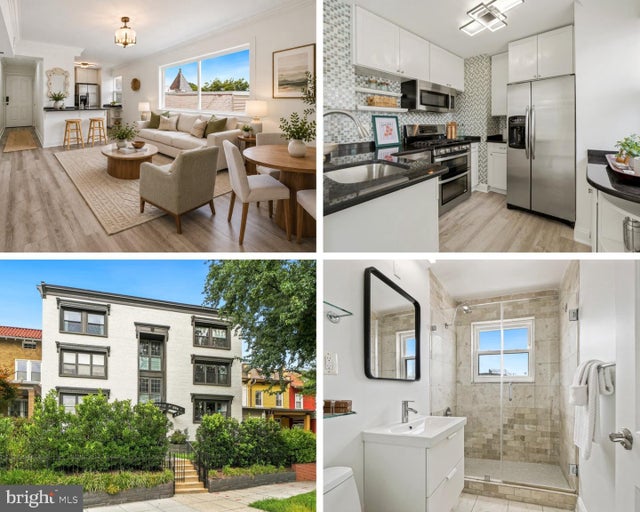

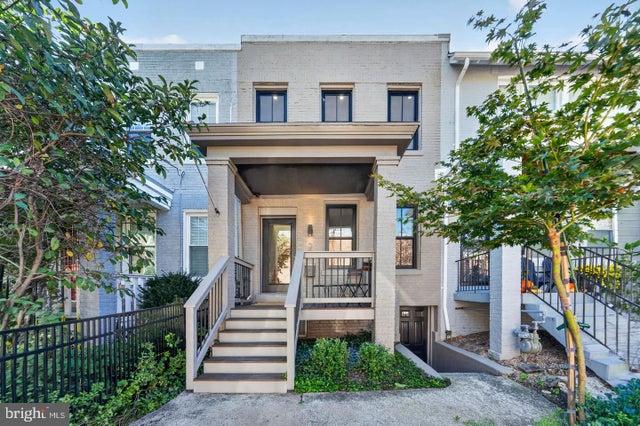
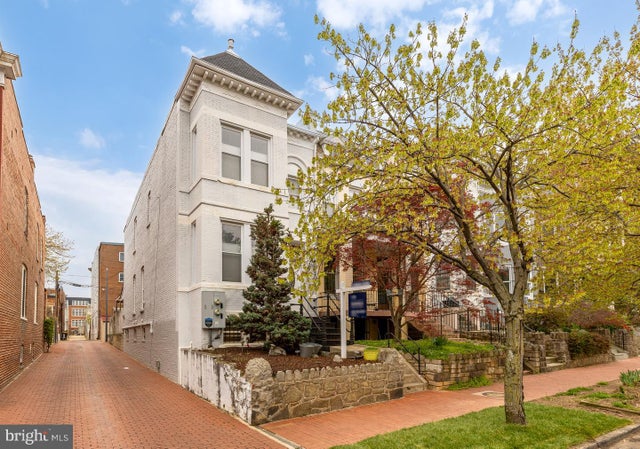


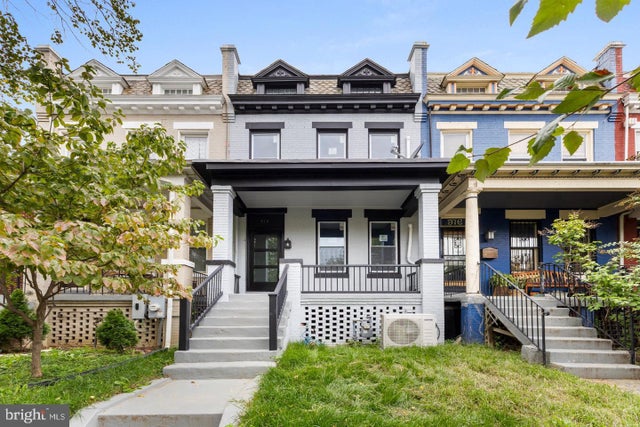
Getting around: traffic and transit tips
DC traffic has a reputation for a reason. These habits make it easier.
- Live on the same side of the Potomac and Anacostia as your job whenever you can.
- Look at homes within a 10 to 15 minute walk of a Metro station if you want to drive less. Many DC neighborhoods and close-in suburbs make car-free or one-car living realistic.
- Get a SmarTrip card for Metro and buses, and an E-ZPass if you’ll drive. Virginia’s express lanes and the region’s toll roads use it.
- Ask your employer about pre-tax transit benefits. Many employers, including federal agencies, offer one, so ask what yours covers.
- Test the trip at rush hour before you commit. A map app at noon on a Sunday will not tell you the truth.
Big projects changing the map
A few projects are worth knowing about because they’ll shape neighborhoods over the next several years. Amazon’s HQ2 in Arlington finished its first phase, and the next phase is on hold with no restart date. The Purple Line in Maryland was about 92 percent complete this fall. In DC, the Capital One Arena renovation downtown is due to finish in 2027, and the new Commanders stadium at the RFK site is targeted for 2030.
None of these is a reason to buy or skip a neighborhood on its own, but it’s smart to know what’s coming down the street.
A simple plan for your move
- Pin down where you’ll work and how often you’ll go in.
- Get pre-approved so you know your real budget, including taxes and fees for the state you choose.
- Decide whether to rent for a few months first or buy right away. If you’re new to the area, renting while you learn the neighborhoods is never a bad idea.
- Tour your top two or three areas on a weekend and talk to people who live there.
- Check school boundaries, HOA rules and commute times for every home you’re serious about.
- Set up home alerts so you see new homes the day they come on the market.
We’re DC’s #1 real estate team (RealTrends Verified 2026) with 50+ local agents across DC, Maryland and Virginia, and helping people relocate is a big part of what we do. Learn how our relocation team works, or book a free consultation and we’ll help you narrow the map before your first trip.


